What Is an NDC Swap? 10 Hidden Revenue Leaks in Pharmacy
NDC swaps cost pharmacies thousands monthly. Discover 10 hidden revenue leaks from NDC code mismatches and wholesaler substitutions.
8 min read
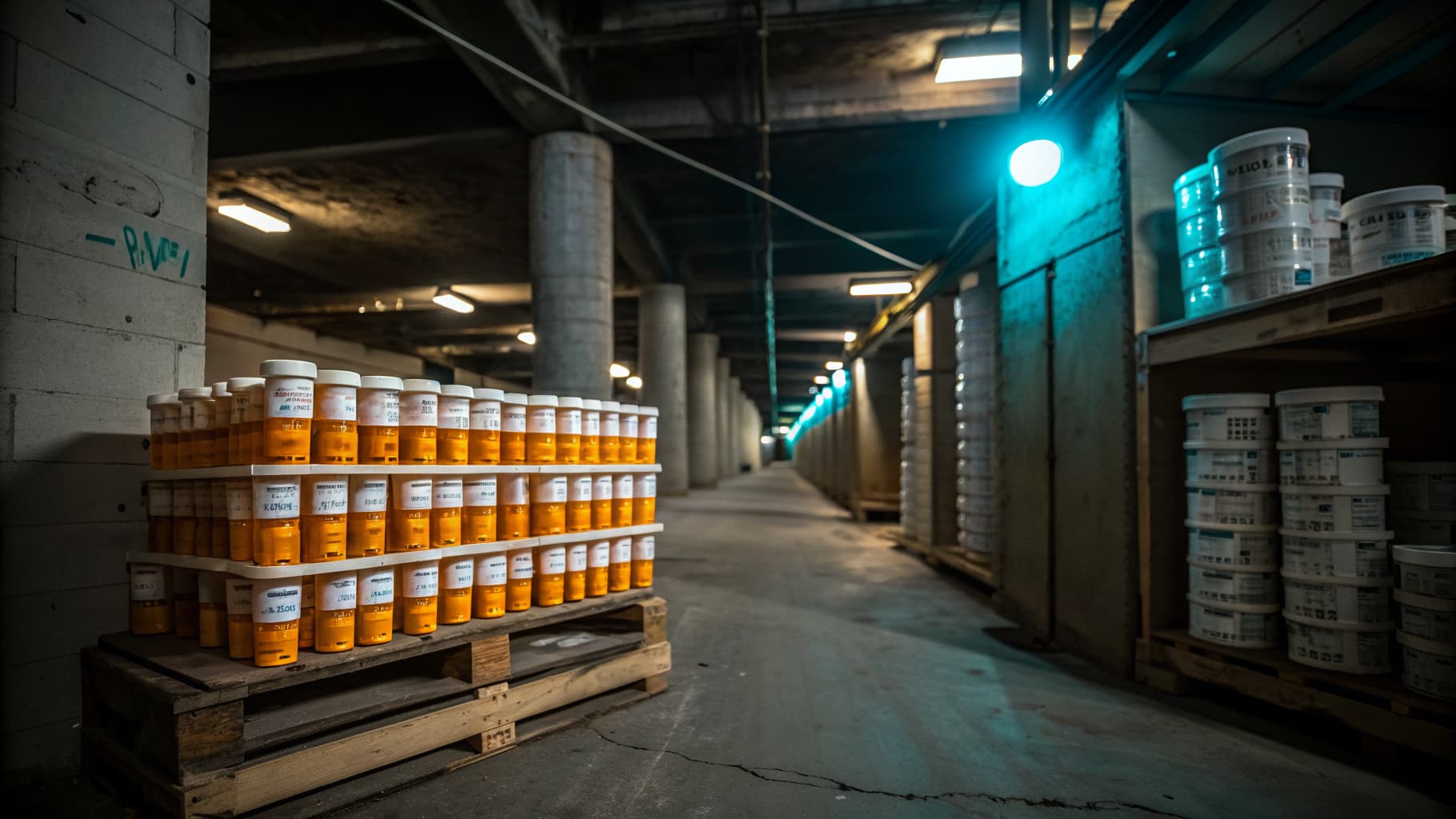
Pharmacies lose an average of $15,000 to $50,000 annually from undetected NDC swaps - product substitutions where wholesalers ship different package sizes or manufacturers than what was ordered and billed. These drug swap pharmacy incidents create reimbursement gaps that erode profitability silently. This guide identifies ten specific NDC code mismatch scenarios that trigger pharmacy revenue leaks and explains how each impacts your bottom line.
In This Article
- 1Wholesaler Package Size Substitution
- 2Manufacturer Substitution Without Notice
- 3Partial Fill NDC Misalignment
- 4Repackaged Drug Code Confusion
- 5Strength Variation Billing Errors
- 6Biosimilar-to-Reference Product Swaps
- 7340B Split-Billing NDC Conflicts
- 8Generic-to-Brand Inadvertent Dispensing
- 9Discontinued NDC Code Persistence
- 10Compounded Medication NDC Misuse
- ?How We Evaluated
1. Wholesaler Package Size Substitution
Distributors frequently ship 100-count bottles when pharmacies order and bill for 500-count packages, creating immediate acquisition cost discrepancies. The reimbursement remains tied to the original NDC code while actual inventory reflects a different package configuration. This mismatch compounds during inventory reconciliation when physical counts don't align with purchasing records. Pharmacies often discover these substitutions weeks after receiving shipments, making retrospective claim corrections difficult. The price-per-unit difference between package sizes can reach 15-30% for common generics.
Key Strengths
- Detection through automated NDC swap detection software catches 85-90% of package size mismatches
- Wholesalers typically credit accounts within 7-10 days when documentation is provided
- Prevents inventory valuation errors that distort financial statements
Considerations
- Manual verification requires 2-3 hours weekly for average-volume pharmacies
- Short return windows (often 5-7 days) limit correction opportunities
2. Manufacturer Substitution Without Notice
Wholesalers switch generic manufacturers mid-contract without updating order confirmations, shipping Manufacturer B when invoices reflect Manufacturer A pricing. Reimbursement rates vary significantly between manufacturers for identical molecules, sometimes differing by $5-$20 per prescription. The pharmacy bills insurance using the expected NDC while dispensing from different stock, creating compliance risks during PBM audits. These substitutions often occur during drug shortages when wholesalers source from alternative suppliers. Pharmacies face potential recoupment demands if auditors identify the NDC code mismatch during claims reviews.
Key Strengths
- Tracking manufacturer changes protects against audit recoupments averaging $3,000-$8,000 per incident
- Identifies opportunities to request pricing adjustments from wholesalers
- Maintains accurate therapeutic equivalence documentation
Considerations
- Requires real-time invoice matching against received inventory
- Some contracts include substitution clauses that limit recourse options
3. Partial Fill NDC Misalignment
Pharmacies bill for 90-day supplies using specific NDC codes but dispense from multiple bottles with different identifiers due to inventory constraints. Insurance reimbursement calculations assume single-source acquisition costs, while actual costs reflect blended pricing from multiple packages. This creates hidden margin erosion of 8-12% on affected prescriptions. The practice becomes particularly problematic with high-cost specialty medications where NDC-specific pricing can vary by hundreds of dollars. Documentation gaps during partial fills make retrospective reconciliation nearly impossible without automated tracking systems.
Key Strengths
- Proper tracking recovers $200-$500 monthly for typical independent pharmacies
- Reduces audit vulnerability by maintaining complete dispensing records
- Enables accurate cost-of-goods-sold calculations
Considerations
- Manual logging adds 30-45 seconds per affected prescription
- Some PBM contracts prohibit billing adjustments for partial fills
4. Repackaged Drug Code Confusion
Pharmacies purchase bulk medications and repackage into unit-dose formats but fail to update billing systems with repackager NDC codes. Claims submitted with manufacturer NDC codes trigger reimbursement rates that don't reflect actual acquisition costs from repackaging suppliers. The price differential reaches 20-40% for commonly repackaged products like unit-dose tablets. PBM audits specifically target repackaging discrepancies, with recoupment rates exceeding 60% when documentation is incomplete. Many pharmacies lack systematic processes to map repackager NDC codes to original manufacturer identifiers.
Key Strengths
- Correct NDC usage increases reimbursement by $1,500-$4,000 annually per pharmacy
- Eliminates primary audit trigger that affects 35% of repackaging pharmacies
- Simplifies inventory management by matching billing to actual stock
Considerations
- Requires maintaining parallel NDC databases for manufacturers and repackagers
- Some insurance systems reject repackager NDC codes automatically
5. Strength Variation Billing Errors
Pharmacists dispense 20mg tablets when 10mg was ordered due to inventory shortages, adjusting quantity but failing to update NDC codes in billing systems. Reimbursement algorithms calculate payments based on strength-specific pricing, creating overcharges or undercharges depending on relative costs. These drug swap pharmacy errors trigger fraud alerts in PBM monitoring systems when patterns emerge across multiple claims. The strength mismatch also creates clinical documentation gaps that complicate medication therapy management reviews. Automated claim scrubbing catches only 40-50% of strength variations before submission.
Key Strengths
- Correction prevents fraud flags that lead to enhanced audit scrutiny
- Ensures accurate days-supply calculations for refill timing
- Maintains proper prior authorization alignment with approved strengths
Considerations
- Requires pharmacist verification at point of dispensing, adding workflow steps
- Retrospective corrections often require claim resubmissions with documentation
6. Biosimilar-to-Reference Product Swaps
Wholesalers substitute biosimilar products for reference biologics without clear invoice differentiation, while pharmacy systems bill using reference product NDC codes. Reimbursement for biosimilars typically runs 15-35% lower than reference products, creating significant revenue leaks on high-cost medications. The substitution often occurs automatically through wholesaler fulfillment systems that prioritize lower-cost alternatives. Pharmacies discover the mismatch only during detailed invoice reconciliation or when patients question product appearance changes. Some PBM contracts include biosimilar payment policies that further reduce reimbursement when proper NDC codes aren't used.
Key Strengths
- Proper NDC coding captures full contractual reimbursement differences of $200-$800 per prescription
- Prevents patient confusion by ensuring accurate product counseling
- Maintains compliance with state substitution laws requiring patient notification
Considerations
- Biosimilar NDC databases require frequent updates as new products launch
- Some contracts mandate biosimilar dispensing regardless of billed NDC
7. 340B Split-Billing NDC Conflicts
Pharmacies participating in 340B programs dispense discounted inventory to non-eligible patients while billing with 340B acquisition costs, or vice versa. The NDC code remains identical, but acquisition cost basis differs dramatically between 340B and wholesale-acquired inventory. This creates compliance violations and revenue distortions that average $10,000-$25,000 annually for affected pharmacies. Tracking which physical inventory units came from 340B purchases versus wholesale orders requires sophisticated inventory management. Federal audits of 340B programs specifically examine whether billed NDC codes match actual dispensed inventory sources.
Key Strengths
- Proper inventory segregation prevents 340B program disqualification
- Maximizes legitimate 340B savings of 25-50% on eligible prescriptions
- Reduces risk of manufacturer restrictions on 340B purchasing
Considerations
- Requires dual inventory systems or perpetual tracking mechanisms
- Software solutions for 340B compliance cost $5,000-$15,000 annually
8. Generic-to-Brand Inadvertent Dispensing
Pharmacy technicians select brand-name products from shelves when generic versions were billed due to similar packaging or shelf placement errors. The acquisition cost difference between brand and generic versions ranges from 300-2000% for common medications. Insurance reimbursement based on generic NDC codes covers only a fraction of actual brand product costs. These errors occur most frequently during high-volume periods when staff rely on shelf location rather than verifying NDC codes. The pharmacy absorbs the full cost difference, which can exceed $100 per prescription for certain products.
Key Strengths
- Barcode scanning at dispensing catches 95% of brand-generic mismatches
- Prevention saves $500-$2,000 monthly for typical retail pharmacies
- Eliminates patient copay disputes when brand products are dispensed
Considerations
- Barcode systems require hardware investment of $1,500-$3,000 per station
- Staff training and workflow changes face resistance in established pharmacies
9. Discontinued NDC Code Persistence
Pharmacy management systems retain discontinued NDC codes in formularies long after manufacturers cease production, leading to claims submissions with obsolete identifiers. PBMs reject these claims or reimburse at outdated rates that don't reflect current market pricing for replacement products. The rejected claims require resubmission with updated NDC codes, delaying payment by 15-30 days. Many pharmacies lack automated processes to purge discontinued codes and map them to current alternatives. The problem intensifies when wholesalers ship replacement products without clearly indicating NDC changes on invoices.
Key Strengths
- Regular NDC database updates reduce claim rejection rates by 12-18%
- Accelerates cash flow by eliminating resubmission delays
- Ensures reimbursement reflects current market pricing
Considerations
- NDC database maintenance requires weekly updates from multiple sources
- Some discontinued codes remain in PBM systems for months, creating confusion
10. Compounded Medication NDC Misuse
Pharmacies bill commercial ingredient NDC codes for compounded preparations instead of using compound-specific billing codes or appropriate base ingredient identifiers. Insurance reimbursement algorithms designed for manufactured products don't account for compounding labor and additional ingredients. This results in underpayment of 30-60% compared to proper compounding fee structures. Some PBMs automatically deny claims when compounded quantities don't match standard package sizes associated with billed NDC codes. The practice also creates audit liability when reviewers identify commercially available NDC codes billed for custom compounds.
Key Strengths
- Proper compounding codes increase reimbursement by $15-$40 per prescription
- Reduces audit recoupment risk on compounded medication reviews
- Accurately reflects pharmacy value-added services in claims data
Considerations
- Compounding billing rules vary significantly across PBMs and state Medicaid programs
- Many pharmacy systems lack built-in compounding code libraries
How We Evaluated
Each revenue leak was ranked by financial impact severity and detection difficulty, prioritizing issues that affect the highest percentage of independent and chain pharmacies. Items appearing earlier represent more frequent occurrences with larger dollar amounts at stake, based on pharmacy reconciliation data patterns.
Conclusion
NDC swap detection and correction directly impacts pharmacy profitability, with most operations recovering $18,000-$65,000 annually after implementing systematic monitoring. The revenue leaks identified here share a common solution: automated reconciliation systems that match received inventory against billed NDC codes in real-time. Conduct a 30-day audit of your wholesaler invoices against dispensing records to quantify your specific exposure, then implement NDC code mismatch detection protocols before the next PBM audit cycle begins.
Stop Losing Revenue to Billing Errors
RxDelta automatically reconciles your pharmacy billing against purchase orders. Find NDC swaps, detect shortages, and recover lost revenue.
Pharmacy Industry Newsletter
Get weekly insights on pharmacy billing, NDC updates, and revenue optimization strategies delivered to your inbox.
No spam. Unsubscribe anytime.
Related Articles

Guides
How Much Revenue Is Your Pharmacy Losing to Billing Errors?
Discover the 10 most costly pharmacy billing errors causing revenue loss. Learn how PBM underpayments and rejected claims drain profits.

Guides
Pharmacy Claims Reconciliation Tools: 6 Best for 2026
Compare the top 6 pharmacy claims reconciliation platforms for 2026. Expert analysis of features, pricing, and integration capabilities.

Guides
Pharmacy Workflow Automation: How to Reduce Manual Tasks by 60%
Learn how pharmacy workflow automation tools can eliminate repetitive tasks, reduce errors, and free pharmacist time for clinical services. Practical guide with ROI data.